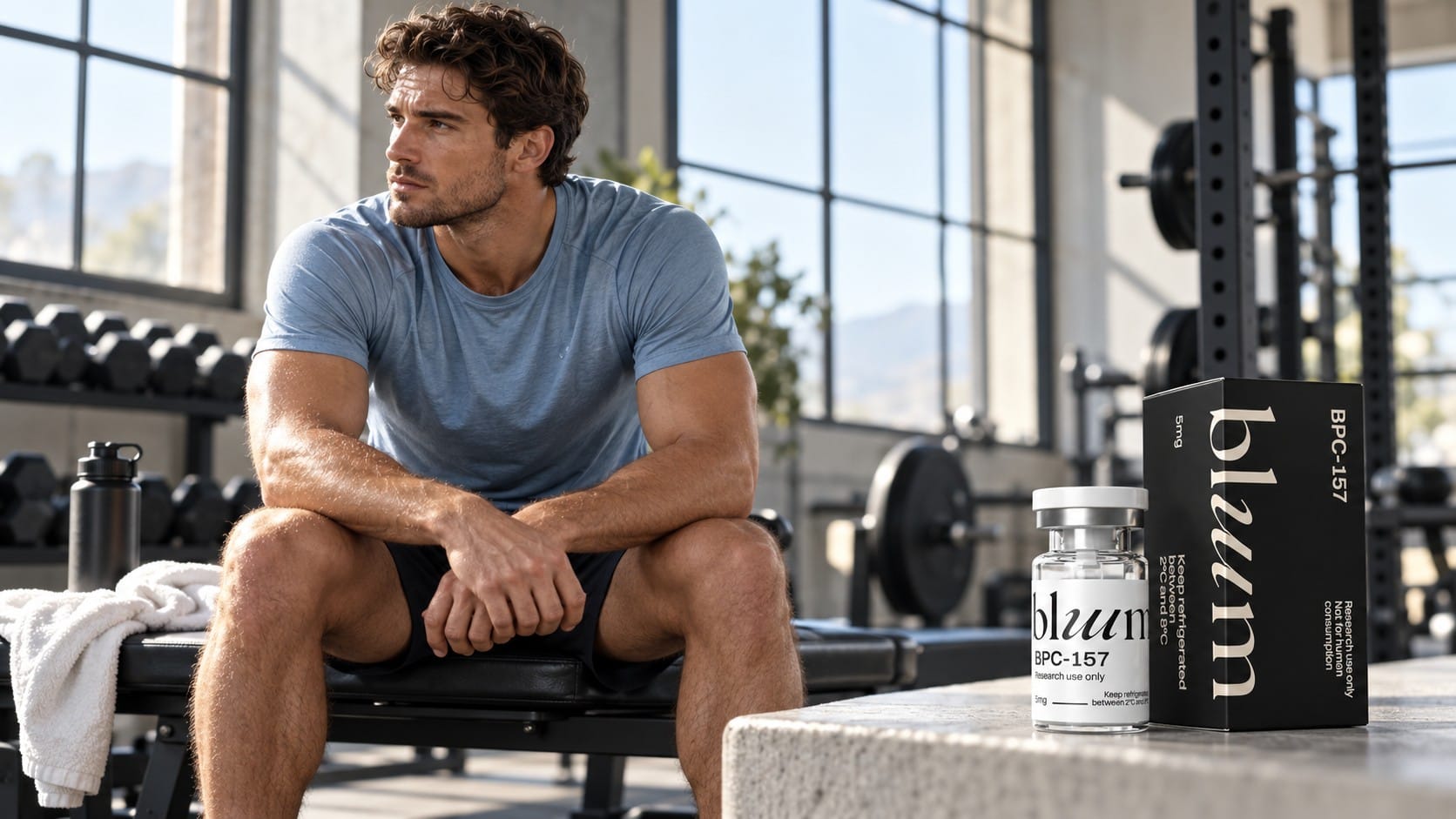
Discover Bluum — The Bluum Collection
The part of training nobody posts
The last rep gets the video. The quiet hours afterward rarely do. Yet anyone who trains consistently knows that the next session depends on more than the effort put into the previous one.
Recovery is where ambition meets reality. You can want to train harder while your body needs a different balance of work and rest. That tension helps explain why peptides have become such a popular topic in fitness conversations.
For a closer look at the laboratory side of the conversation, explore Bluum Peptides.
Why peptides entered the conversation
Peptides are short chains of amino acids. Some act as signals in the body, helping cells communicate. That broad idea is fascinating: rather than thinking only about muscles and movement, researchers can ask what is happening at the level of cellular messages.
But “peptides” is an enormous category, not a single treatment. A cosmetic ingredient, a prescribed peptide medicine and an experimental laboratory compound do not share the same evidence or intended use. The name of the category tells you much less than the details of the individual substance.
The Bluum research collection is one place to compare individual compounds and their stated laboratory purposes.
Feeling ready and being ready are different questions
An easy session, a hard session and a return after injury ask different things of the body. A useful recovery conversation starts by identifying which situation you are actually in.
It also helps to define the goal. Are you trying to maintain a consistent routine, manage an unusually demanding week or return to a movement that still hurts? Those are not interchangeable problems. Persistent pain or loss of function deserves an assessment rather than another experiment with a trending product.
The next session begins with what happens between sessions.
What makes a recovery claim convincing?
“Better recovery” sounds clear until you ask how it was measured. Less discomfort? More strength? A quicker return to sport? A change in a laboratory marker? Each answers a different question.
The strongest headline is not always the strongest evidence. A controlled study should identify the people involved, the comparison and the outcome, and report unwanted effects too. A result in cells or animals can help researchers decide what to study next; it cannot establish the same result in an athlete.
Personal stories can be compelling, especially when someone has struggled for months. They can also leave out rehabilitation, changing workloads and the passage of time. Those details matter when deciding what caused an improvement.
That same attention to detail matters when choosing research materials: review the product specifications and lot documentation before making a laboratory purchase.
The familiar basics still deserve attention
New science is exciting. Sleep, adequate food, a sensible training schedule and rehabilitation when needed are less glamorous subjects. They are still the practical questions worth discussing when recovery feels out of step with training.
That does not mean every problem can be solved by resting more. It means looking at the whole situation before narrowing the explanation to a single missing ingredient. A useful plan fits the person, the sport and the problem.
Where the research fits
Compounds such as BPC-157 appear in discussions of tissue-related research. That makes them relevant to understanding the conversation, not established recommendations for recovery or performance. Bluum supplies research materials for laboratory work, not sports supplements.
For competitors, there is another distinction: scientific interest does not make a substance permitted. BPC-157 is listed under S0 in the 2026 WADA Prohibited List and is prohibited in and out of competition. Athletes should check the rules that apply to them and discuss treatment decisions with a qualified professional.
For readers working in a qualified laboratory, Bluum’s BPC-157 page brings together available sizes and lot documentation.
Stay curious. Ask better questions.
Peptide research is interesting because it asks detailed questions about how the body works. The fitness conversation becomes more useful when it keeps that curiosity and loses the certainty that every new compound must be a breakthrough.
Before accepting a claim, ask three things: What was studied? What changed? What remains unknown? Those questions are more useful than a universal “best peptide” list — and they leave room for new evidence without confusing possibility with a proven result.
Continue exploring the science through Bluum’s research peptide collection.
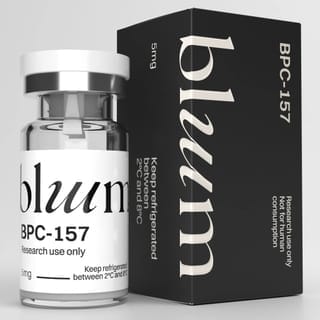
BPC-157 · From $35 5 mg / 10 mg / 20 mg · For laboratory research only
Research context
Products are for laboratory research only, not human or animal use. Prices shown in the reviewed draft may change; check current options on the product page.