
Discover Bluum — The Bluum Collection
The shelf is getting crowded
Another serum. Another ingredient with a scientific name. Another promise that this is the missing step. If beauty shopping sometimes feels like keeping up with a language that changes every week, peptides are a good example.
They appear in conversations about texture, fine lines, skin and hair. The interesting part is not simply their popularity. It is the idea behind them: small molecules that may help researchers understand the signals involved in living tissue. The Bluum collection offers a window into that laboratory side of the story.
Small molecules, different jobs
Peptides are short chains of amino acids. Their sequence matters: changing the building blocks changes the molecule. That is why “contains peptides” tells you much less than it seems to.
A peptide name is a starting point, not a result. A finished moisturizer, a laboratory powder and a prescription medicine are different products. They cannot borrow one another’s evidence just because their descriptions contain the same word. For everyday beauty shopping, the question is what the complete formula has actually been shown to do.
Why copper keeps coming up
Copper peptides have an especially recognizable place in this conversation. GHK-Cu is a copper-binding tripeptide studied in connection with tissue biology. An early cell-culture study found increased collagen synthesis in fibroblasts exposed to GHK-Cu.
That helps explain the scientific interest. It does not establish that every product using the name improves wrinkles, or that a research vial belongs in a skincare routine. A finding in cultured cells is one chapter in a much longer story. Laboratory readers can explore GHK-Cu specifications at Bluum without confusing the material with a finished cosmetic.
The most interesting ingredient is only one part of the formula.
Skin and hair do not ask the same questions
Beauty often puts skin and hair into one category. Research separates them into more precise questions. AHK-Cu, for example, has been studied in cultured dermal papilla cells and isolated human hair follicles. That is different from testing whether a finished treatment changes hair growth in people.
The distinction matters when a headline travels from a scientific paper into a shopping feed. Look for the setting, the outcome and the product that was actually tested. Bluum’s AHK-Cu listing identifies the laboratory material; it is not evidence that the vial treats hair loss.
The formula is doing work too
An ingredient does not act in isolation inside a finished product. Its concentration, stability, delivery and compatibility with the rest of the formula matter. A beautifully named active cannot tell you whether a product will suit your skin.
This is also why copying an ingredient list is not the same as reproducing a tested cosmetic. Research powders are not DIY skincare ingredients. If you are looking for something to apply at home, choose a finished product designed for that purpose and assess its evidence and suitability.
Make the comparison more useful
Instead of asking which peptide is universally “best,” start with what you want to understand. Collagen-related cell research, follicle biology and peptide interactions are distinct areas. A shortlist becomes more useful when each item has a clear reason for being there.
The Bluum research collection includes GHK-Cu, AHK-Cu and SNAP-8. For qualified laboratory purchasers, compare the exact compound, available format and documentation. For a personal skin concern, a dermatologist can help translate your goal into an appropriate care plan.
A more thoughtful beauty edit
You do not need to memorize every ingredient to become a more confident reader. Ask what was tested, whether the study involved people, and whether the result belongs to the product in front of you.
Curiosity makes beauty more interesting. Clear evidence makes choices more useful. Explore the laboratory materials behind the discussion in the Bluum collection, while keeping their intended use in view. These are research compounds, not ready-to-use beauty treatments.
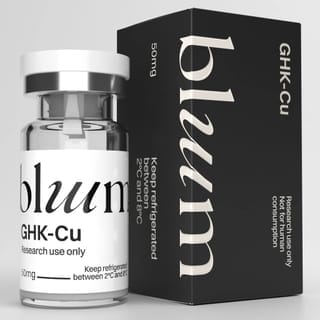
GHK-Cu · From $45 · For laboratory research only
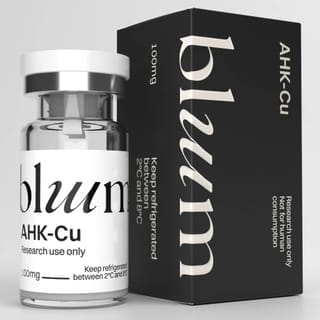
AHK-Cu · $89 · For laboratory research only
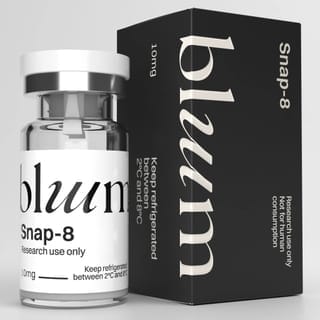
SNAP-8 · $29 · For laboratory research only
Research context
Products are for laboratory research only, not human or animal use. Prices shown in the reviewed draft may change; verify current options on the product page.