
Discover Bluum — The Bluum Collection
The word that keeps showing up
A skincare label. A fitness podcast. A conversation about aging. Peptides seem to turn up wherever people are discussing what the body might do differently. The same word connects these subjects, but it does not mean they are talking about the same thing.
That is what makes the subject both fascinating and confusing. Before looking for a “best peptide,” it helps to understand what the category actually includes. The Bluum collection gives a view of the research side: distinct compounds with distinct specifications, rather than one universal answer.
Start with the building blocks
Peptides are chains of amino acids linked together. Their order matters, much as the order of letters changes a word. A short sequence can have biological significance, but small size alone does not tell you what a molecule does.
Some peptides participate in signaling. Others have different roles. Scientists investigate how a particular structure behaves under particular conditions. “Peptide” describes a type of molecule; it does not guarantee a benefit. Understanding that one distinction makes many headlines easier to read.
Three worlds share the same vocabulary
In medicine, some peptide-based drugs have defined indications and clinical evidence. In cosmetics, a peptide may be one ingredient in a finished formula. In a research laboratory, a peptide can be a tool for investigating a biological question.
Moving between those worlds takes evidence and appropriate development. A vial of laboratory material is not interchangeable with a prescription or a serum. Bluum’s research catalog belongs to the laboratory category. Its products are not intended for human or animal use.
The name opens the conversation. The evidence tells you where it can go.
A mechanism is the beginning of a story
A paper might show that a compound changes a signal in cultured cells. That is a finding worth understanding. It can suggest a mechanism, challenge an assumption or help shape the next experiment.
But it leaves other questions open: does the same thing happen in a living organism, under what conditions, and with what unwanted effects? Interesting biology and demonstrated clinical usefulness are different milestones. The strongest explanation tells you which milestone has actually been reached.
Two names, two different questions
Consider GHK-Cu and Epithalon. GHK-Cu is a copper-binding tripeptide that has been studied in tissue-related biology, including collagen synthesis in cultured fibroblasts. Epithalon appears in research discussions about cellular regulation and telomerase-related processes.
Those examples show why a single ranking can be misleading. They represent different questions, not competing versions of one result. Laboratory readers can compare GHK-Cu and Epithalon through their individual Bluum listings, while recognizing that the listings do not establish clinical benefits.
What a product page can tell you
For a laboratory purchase, the exact identity, format and lot documentation matter. A certificate of analysis can report particular measurements for a tested sample. It should be read for what was measured and how, rather than treated as a universal quality badge.
A high purity figure does not by itself establish sterility, safety in people or effectiveness. Likewise, more milligrams is not automatically a better choice for a research project. Use the collection and individual specifications to compare materials against the requirements of the actual work.
A better way to stay curious
You do not have to choose between believing every breakthrough headline and dismissing the entire field. There is plenty of room for informed interest. Read the study setting, look at the outcome and notice what remains unanswered.
The best next question is often more useful than the biggest promise. If your interest is laboratory research, discover the Bluum collection and explore the materials behind the names. If your question is about your own health, bring it to a qualified clinician rather than treating a research catalog as a treatment menu.
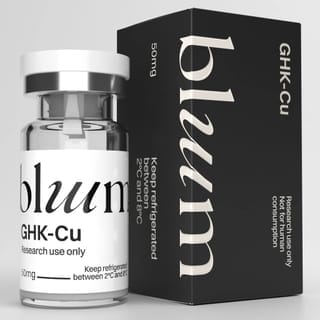
GHK-Cu · From $45 · For laboratory research only
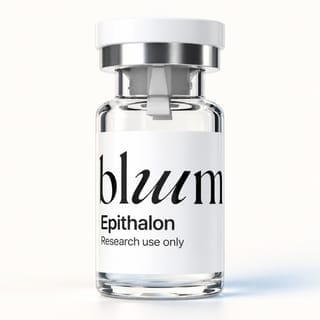
Epithalon · From $45 · For laboratory research only
Research context
Products are for laboratory research only, not human or animal use. Prices shown in the reviewed draft may change; verify current options on the product page.