
Discover Bluum — The Bluum Collection
Why the old conversation feels incomplete
Most people have heard the familiar advice: eat less, move more, try harder. But a slogan does not explain why someone can feel hungry again soon after eating, why routines become difficult to maintain, or why two people experience the same plan differently.
Weight management is a health question, not a character test. The growing interest in peptide biology has brought more attention to appetite and the signals involved in regulating it. For readers exploring the laboratory landscape, Bluum Peptides provides a catalog of research materials — a separate category from medical treatment.
Your appetite is a conversation
Hunger is not simply an empty stomach issuing a reminder. Signals between the digestive system and the brain help shape the experience of eating and fullness. Some prescription medicines act on these pathways, which is one reason peptide-related treatments attract so much attention.
That does not mean every peptide acts on appetite. Nor does a similar-sounding name imply the same mechanism. The useful question is which signal a particular molecule interacts with, and what evidence follows from that interaction.
One word, very different products
The word “peptide” can describe an approved medicine, a compound in a clinical trial or a material used in a laboratory experiment. Those are different stages with different requirements.
Approved weight-management medicines are prescribed after an assessment of the individual and used with ongoing care. Research compounds from a catalog are not substitutes. When browsing Bluum’s collection, keep that intended-use distinction in view: the store supplies materials for laboratory research, not a weight-loss program.
A smaller number is a measurement. Better health is a bigger conversation.
Read beyond the headline number
A dramatic percentage can travel much farther than the details behind it. Before comparing results, ask how long the study lasted, who took part, what the comparison group received and how many people completed it.
Averages also do not tell you what every participant experienced. Side effects, follow-up and what happened after treatment ended belong in the same conversation as the result. A persuasive headline should invite a closer look, not replace one. A laboratory change in fat-related signaling is not itself evidence of meaningful weight loss in people.
Where experimental compounds fit
AOD9604 is one name that appears in discussions of metabolic research. Its presence in those discussions does not establish it as an effective weight-loss treatment. The FDA has identified potential safety concerns, including immunogenicity and peptide-related impurities, and insufficient safety information for proposed uses.
For qualified laboratory work, Bluum’s AOD9604 page provides the product specifications and available documentation. That is the context for the card below: a research material to examine, not a recommendation to take it or a promise of fat loss.
A plan has to fit a real life
Whatever medical options may be appropriate, the practical questions remain personal. What can you sustain during a busy week? What support do you have? Which health outcomes matter to you beyond a single measurement?
A clinician can discuss nutrition, movement, sleep, relevant health conditions and whether an approved treatment is appropriate. Medication, when prescribed, is part of a broader plan rather than a replacement for it. You can follow the science with interest without turning an experimental compound into a personal experiment.
Keep the curiosity. Improve the questions.
The most useful shift in this conversation is away from blame and toward understanding. Peptide research is worth following because it asks specific questions about biology. Its value does not depend on every new molecule becoming a consumer solution.
Ask: Is this an approved treatment or a research compound? Was the outcome measured in people? What do we know about safety? For laboratory readers who want to compare materials, explore the Bluum collection and review the specifications before purchasing.
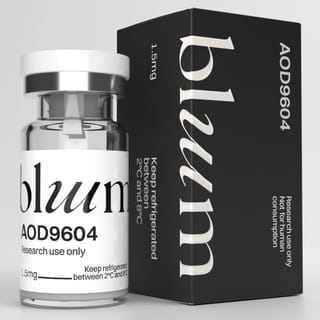
AOD9604 · $39 · For laboratory research only
Research context
Products are for laboratory research only, not human or animal use. Prices shown in the reviewed draft may change; verify current options on the product page.